






August 25, 2026
By Dean Brewster
Senior Director, Network Operations and Automation
Dean Brewster explains why the next phase of network optimization is not just seeing clearly, but acting faster, using AI-enabled process automation to turn fragmented visibility into coordinated action across modern networks. This is the third in a series of three blogs exploring network optimization strategies.
In the first two blogs in this series, we looked at how network optimization starts with a better understanding of what is already in the network. First, discover: using network audit to reveal the true state of the network and create a cleaner foundation for growth. Then, analyze: applying advanced insights to uncover hidden risks before they constrain capacity, resilience, or customer experience.
Now comes the third step: automate. Because once you can see what is happening and understand what it means, the next question is whether your operations model can act quickly and accurately enough to keep pace.
Catastrophic failures are real, but for many network operators, the hidden challenge is the slow accumulation of day-to-day operational inefficiency. Modern multi-vendor networks are increasingly resilient, redundant, and intelligent. The problem is what happens around the network: the manual work required to interpret events, reconcile systems, validate service impact, and coordinate next steps across domains, vendors, and teams.
That is where operational drag builds. It may not appear as a major incident; it may show up as service activations that take longer than expected, troubleshooting cycles that depend on a handful of senior engineers, or automation efforts that work in one domain but don’t scale across the wider environment. Over time, those small delays become a measurable burden on cost, productivity, and time to revenue.
The cause is rarely a lack of data. Most operations teams already have more dashboards, alarms, telemetry streams, and domain-specific tools than ever. The problem is that these systems rarely operate as one. Each may present an accurate view within its own domain, but operators are still left to manually assemble the full picture.
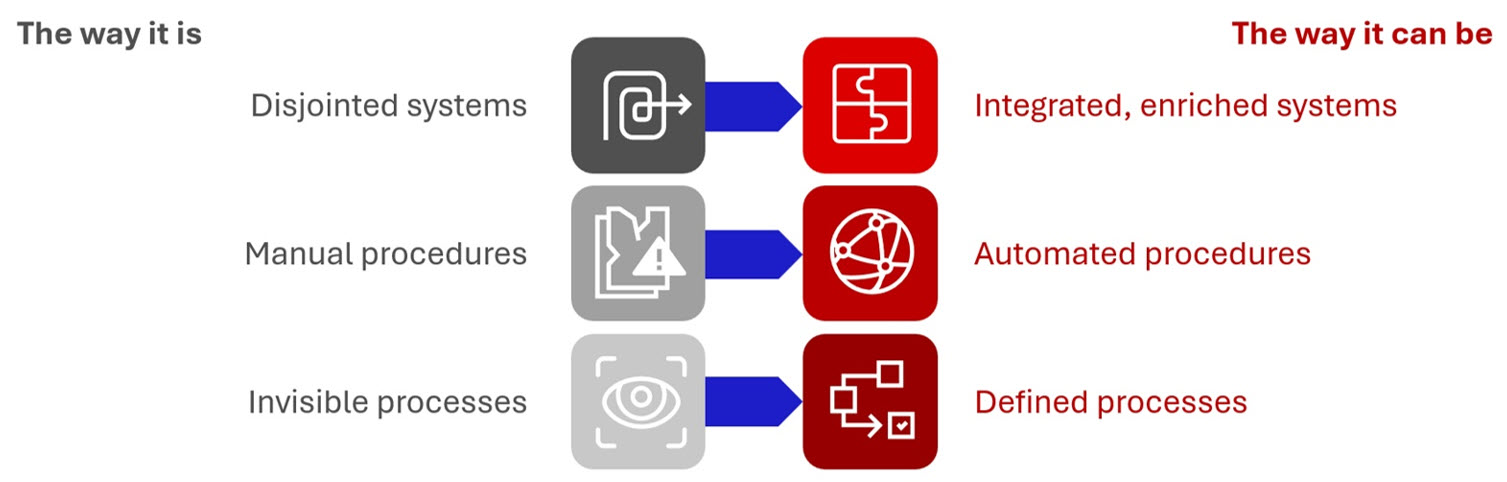
Figure 1: Eliminate manual processes with tactical, multi-vendor integrations for infrastructure and applications.
In effect, the human becomes the integration layer.
Engineers correlate alarms, compare timestamps, check inventory, interpret service relationships, update tickets, validate remediation steps, and determine whether the issue is resolved. That expertise is valuable—but when it exists only in individual experience, it is difficult to scale, reuse, or embed into repeatable workflows.
More visibility alone does not solve this. Without shared context, visibility can become another source of noise.
The next phase of optimization requires a different approach: AI-enabled process automation that connects systems, normalizes operational context, and coordinates action across the tools teams already use.
This does not mean replacing operational expertise. It means amplifying it.
AI-enabled process automation can capture successful workflows, reduce manual handoffs, correlate events across domains, guide operators with context-aware recommendations, and trigger actions across integrated systems. Instead of asking engineers to rebuild context from scratch for every event, the operating model begins to preserve and reuse that knowledge.
The result is not just faster response. It is greater confidence.
When teams can trust the context they are given—when they can trust that automation is doing what they expect—they can act sooner. When workflows are consistent, automation becomes easier to scale. When knowledge is embedded into systems, new engineers can become productive faster. And when systems coordinate more effectively, the NOC can evolve from a reactive environment into a more strategic operational function.
This is especially important in multi-vendor networks. Multi-vendor architectures provide flexibility, resilience, innovation, and commercial choice. The goal is not to remove that complexity. The goal is to make it manageable.
The white paper “Restoring operational leverage in multi-vendor networks” takes a deeper look at why traditional operating models are reaching their limits—and how AI-enabled process automation and cross-domain coordination can help restore control at scale.
Network complexity isn’t the problem. The opportunity is to modernize how we operate them.