



Discover 20 award-winning, student-led projects from across the world that are leveraging technology to build a better future, with support from Ciena and Digital Promise.
Each year, students around the world rise to meet the challenges facing their communities—turning bold ideas into real‑world impact through the Ciena Solutions Challenge. Today, we’re proud to celebrate that work by announcing the 2026 Ciena Solutions Challenge Sustainability Award winners. These 20 student‑led teams are using technology, creativity, and determination to build a better future, and their projects reflect the power of young people to drive meaningful change when they’re given the opportunity to lead.
Using technology to care for communities
Among the many challenges students set out to solve this year, care for community health stood out as a powerful shared focus. Inspired by the realities they see every day, students are recognizing the impact of limited access to health resources for their friends, families, and neighbors. And through the Ciena Solutions Challenge—they’re doing something about it. By taking inspiration from the tools and technologies that they have available, students are developing ways to bring medical testing, screening, monitoring, and support tools to their communities.
While traditional medical interventions are costly and frequently inaccessible in more remote regions, these student-built tools are made from resources that are more readily available, ensuring more people have access to the care they need. Many teams are also leveraging AI for custom solutions that improve quality of life and signal when more serious medical intervention is needed.
For example, a school in India has created a system that uses smartphone cameras and an AI image recognition tool to help screen for oral cancers, and two different schools in Kazakhstan have built wearable, AI-enabled tools to aid in safe and accessible navigation—one designed to support visually impaired people and another tailored for neurodivergent children.
No communities are without health challenges. By reimagining healthcare with the tools within reach, these teams demonstrate how student innovation can make care more accessible, responsive, and community-driven.
Discover all the award-winning projects
Health and wellbeing isn’t the only area where this year’s award winners are making a difference. Teams from schools across the globe are tackling waste management and pollution, developing circular economy solutions, and building resilience in the face of climate change. Keep reading below to discover the topics our 2026 Sustainability Award Winners are exploring and visit their profiles on cienachallenge.org to learn more.
Health and wellbeing
Santamayee Girls High School (India) – Developed an AI‑based oral cancer screening system using image analysis to enable early, accessible detection in rural communities.
Harmony Steam School (Kazakhstan) – Developed an AI‑powered navigation app and wearables enabling visually impaired users to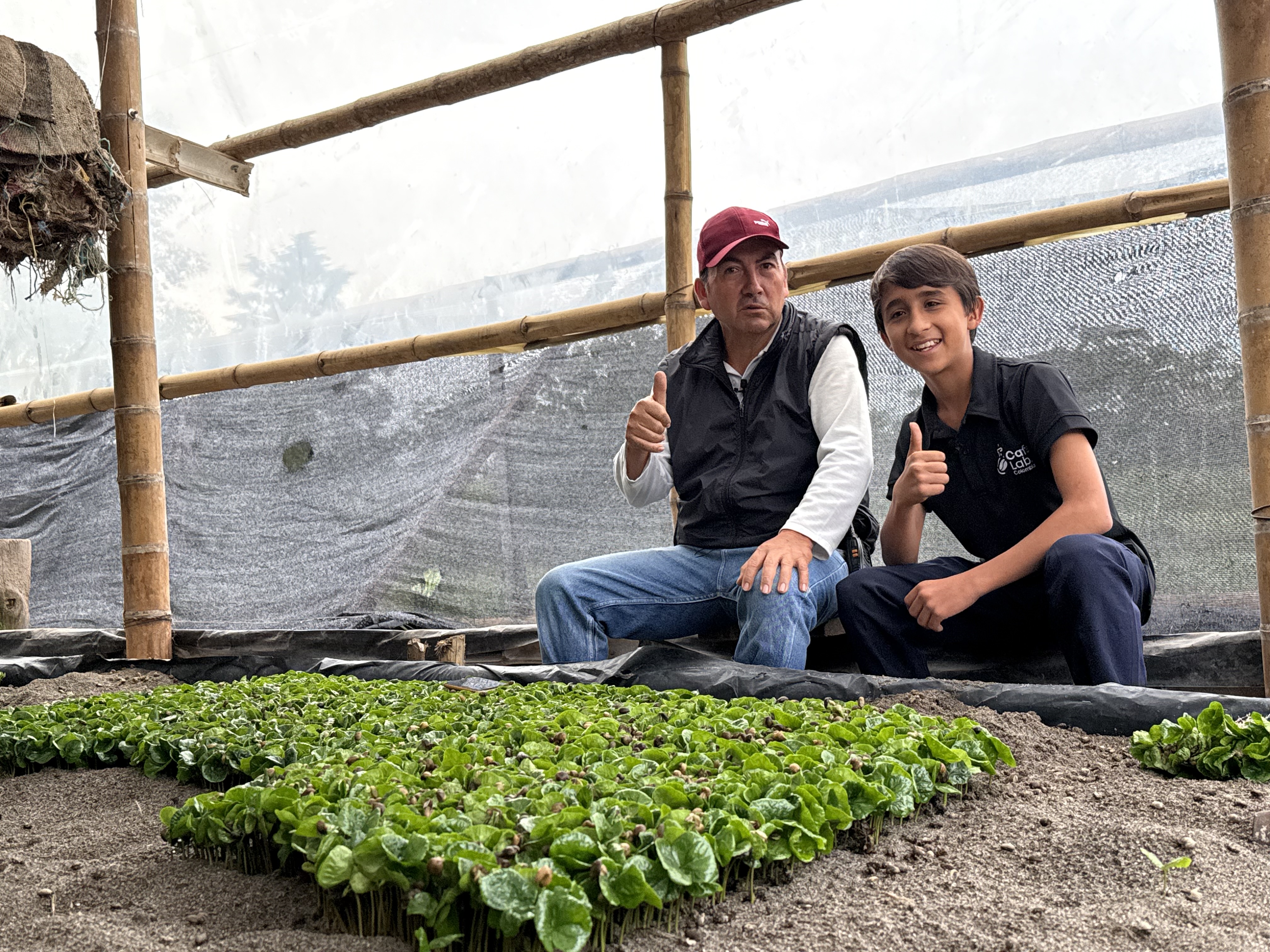 move safely and independently in cities.
West Shore Jr/Sr High School (USA) – Developed an AI‑powered wearable using multimodal sensors to detect arrhythmias and assess cardiac risk.
Coretta Scott King Young Women's Leadership Academy (USA) – Developed an automated indoor garden to grow food efficiently in space‑limited urban environments.
Sri Sharada Public School (India) – Improved community health by testing lake water, raising awareness of waterborne risks, and engaging local authorities toward safer drinking water access.
Nazarbayev Intellectual School of Science and Math (Kazakhstan) – Prototyped a non-invasive sensor system to assess early diabetes risk for those without access to traditional glucose testing.
Kamla Nehru Public School (India) – Built a solar-powered IoT air purifier with dual-layer filtration, smart monitoring, and automated filter replacement alerts.
Garkuwa Youth Initiative for Development (Nigeria) – Expanded a menstrual health program by scaling reusable pad production and reducing stigma, improving school attendance for girls.
Nazarbayev Intellectual School of Astana (Kazakhstan) – Developed an AI‑enabled wearable system that helps neurodiverse children navigate cities more safely.
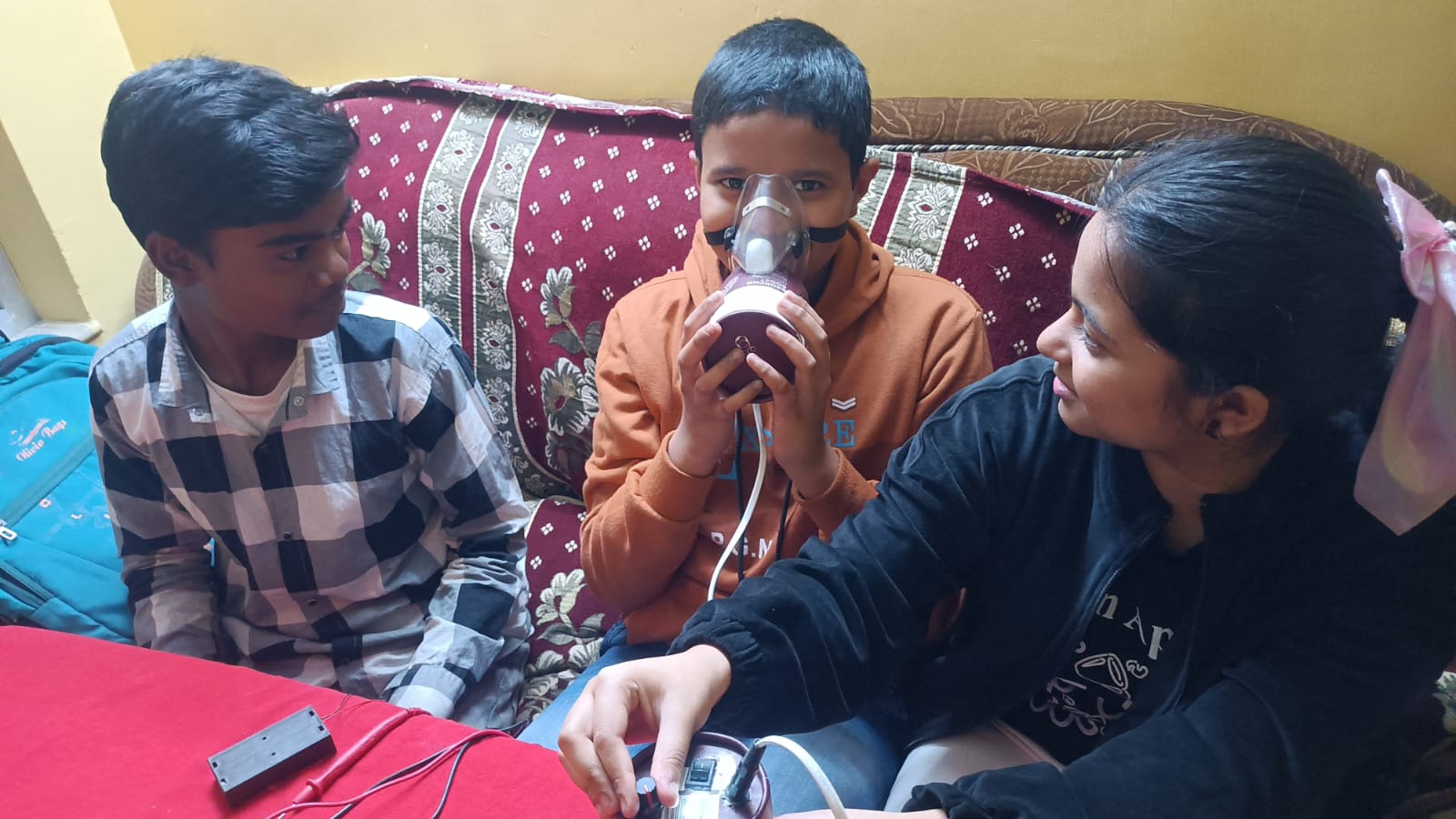
Gandhi High Vidyalaya (India) – Developed a low‑cost, portable emergency breathing device providing safe respiratory support beyond hospital settings.
Vikas Bharati Public School (India) – Developed an AI‑powered learning pen that taught phonetic decoding to support dyslexic, neurodivergent, and ELL students.
Waste management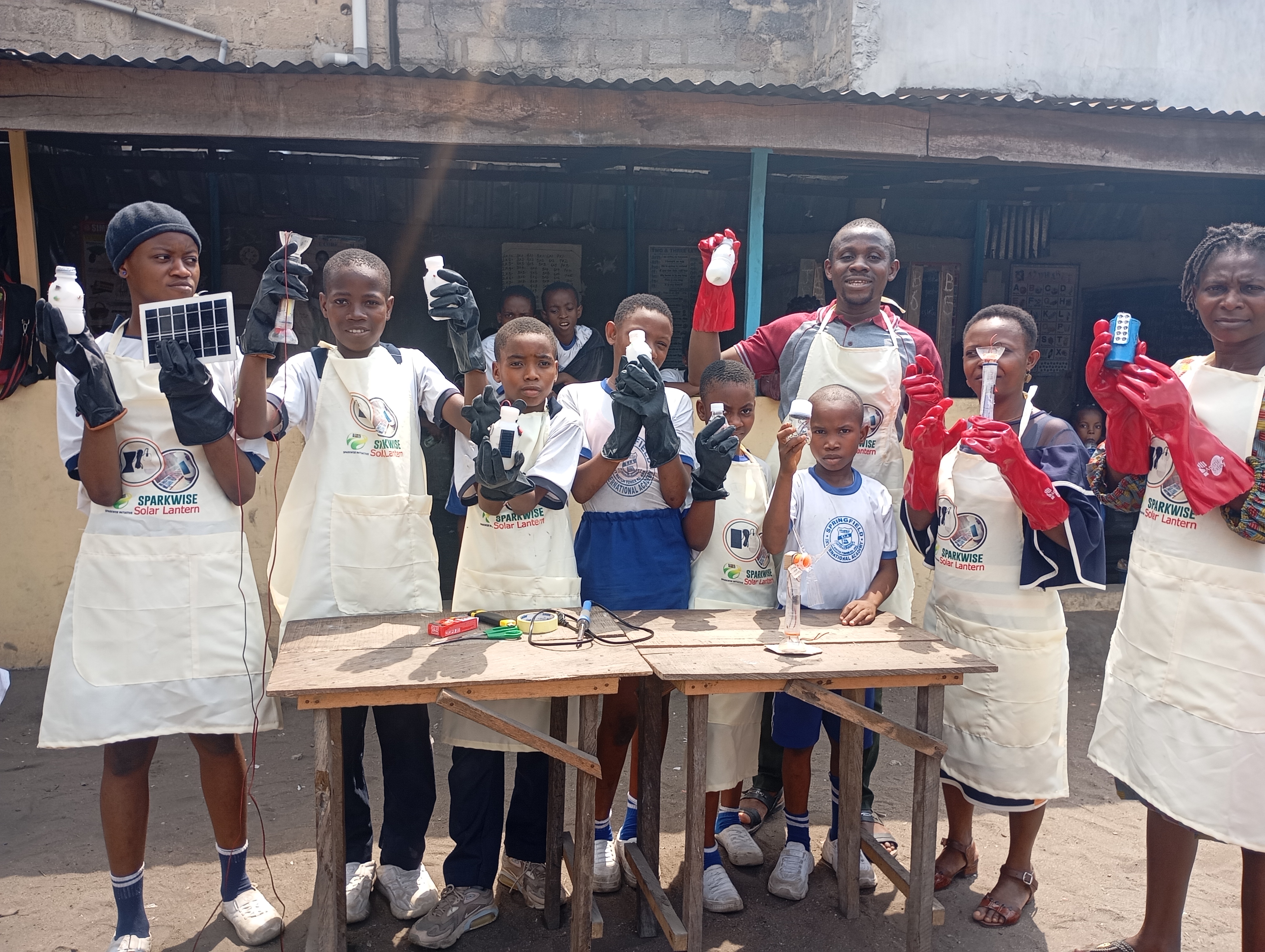
Mingdao High School (Taiwan) – Designed and prototyped a trash collecting robot to help clean litter from public spaces using AI navigation and item detection.
Sparkwise Initiative / Springfield International Academy (Nigeria) – Delivered affordable, reliable lighting by converting waste into solar lanterns, reducing pollution and improving safety.
Institución Educativa Municipal Montessori (Colombia) – Converted coffee grounds into eco‑friendly crayons, reducing waste and promoting environmental awareness.
Osnovna škola fra Didaka Buntića Čitluk (Bosnia and Herzegovina) – Transformed vineyard waste into cosmetics, food ingredients, and bio‑pellets through a sustainable circular production system.
The natural world
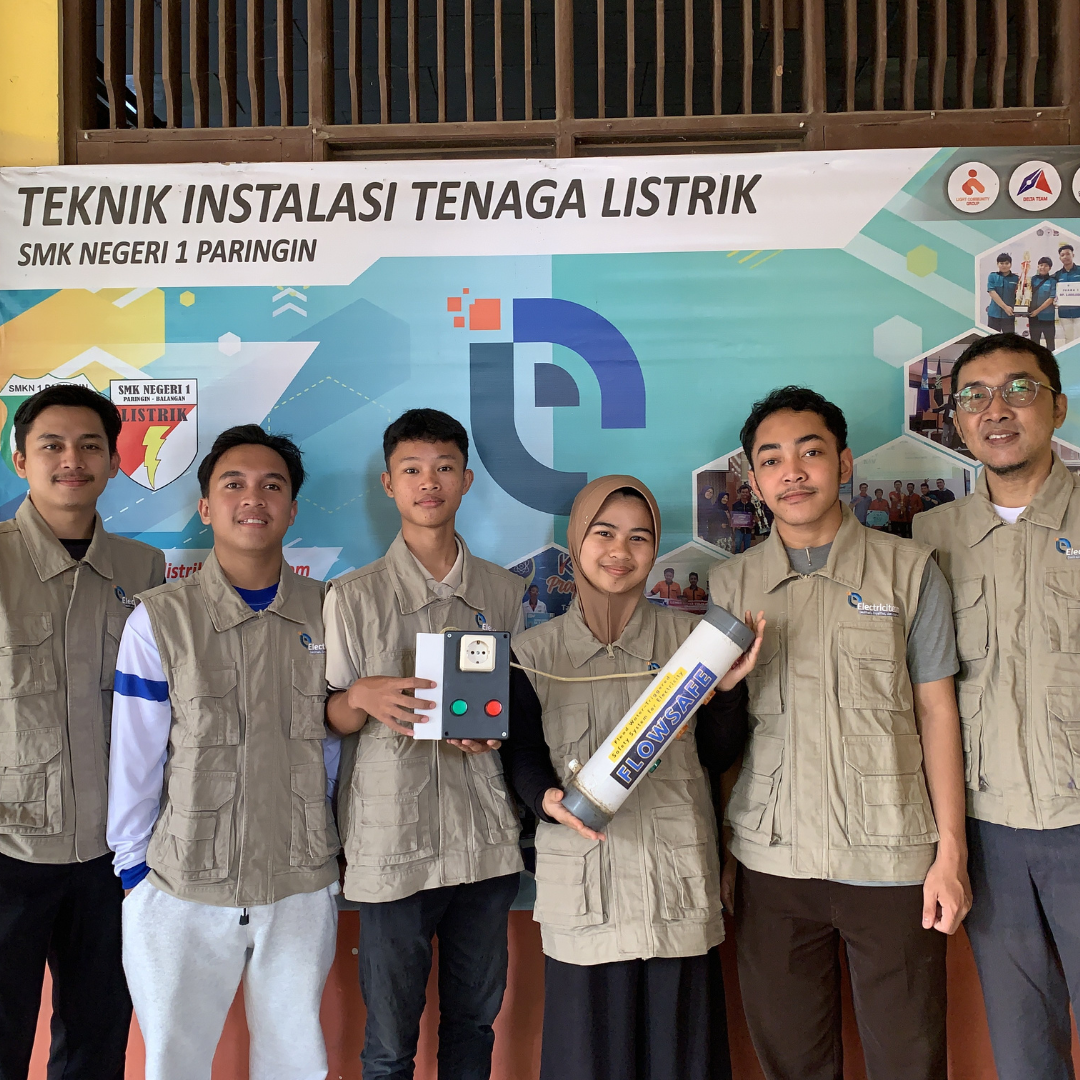
SMKN 1 Paringin (Indonesia) – Developed an automatic flood‑triggered electricity cutoff system that prevents electrocution risk through real‑time monitoring and alerts.
Colegio Militar de Manaus (Brazil) – Reduced nutrient pollution in urban Amazon streams using aquatic plants, improving water quality in a sustainable fashion.
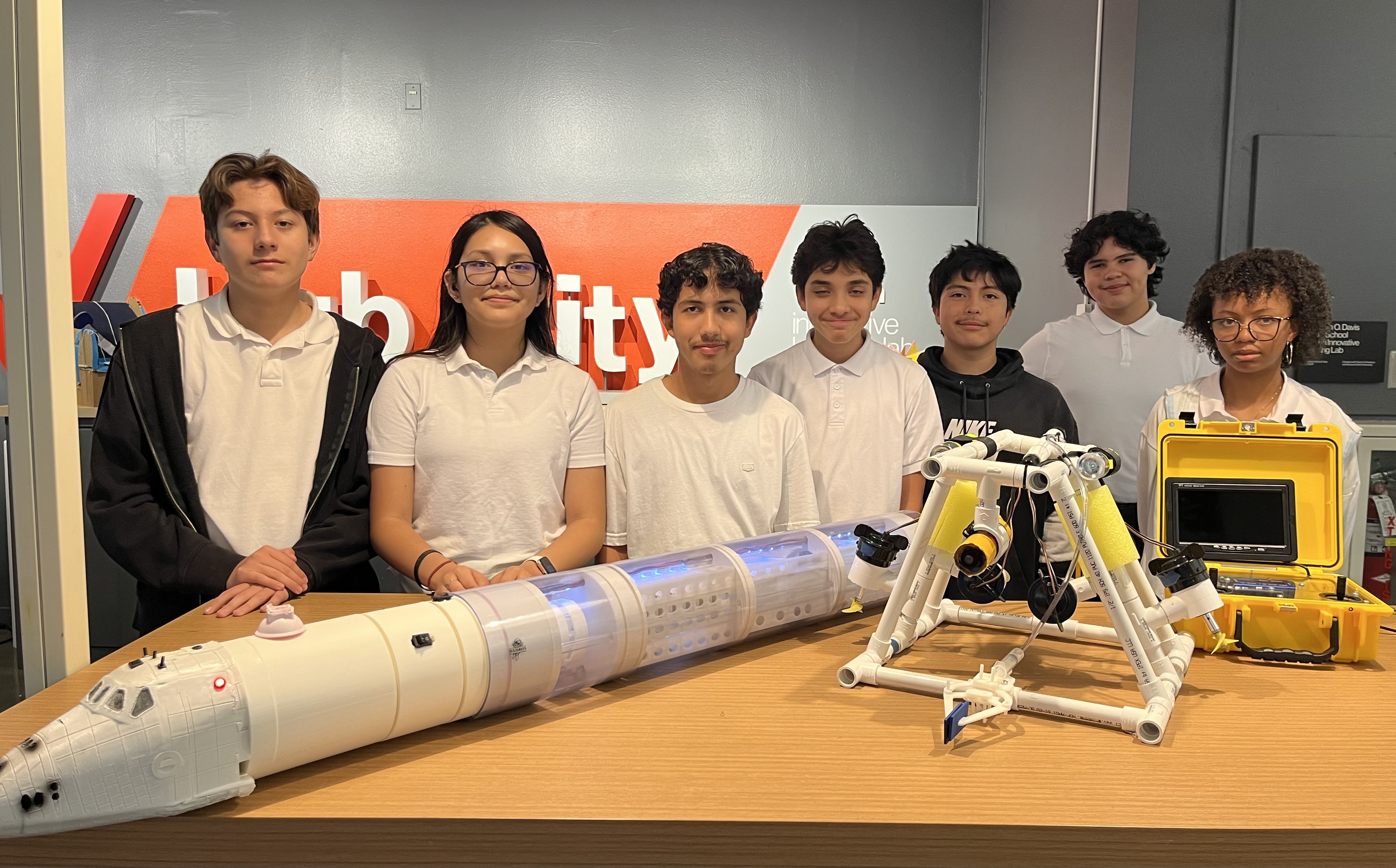
Davis Middle School (USA) – Designed a model spacecraft capable of growing food in deep space plus ROVs to explore aquatic environments in space.
Society and education
South Hill School, Inc. (Philippines) – Created an interactive discussion platform that fosters open dialogue on stigmatized topics through participatory conversations.
Rincón Clubhouse La Chorrera (Panama) – Developed a gamified school platform that turned SDGs into measurable classroom actions with verified impact.
Each of these student teams will receive $3,000 USD to sustain and grow their projects, furthering both the impact of their innovations and the learning opportunities for the students themselves. See the winners from 2025 and 2024 in our previous blogs.